

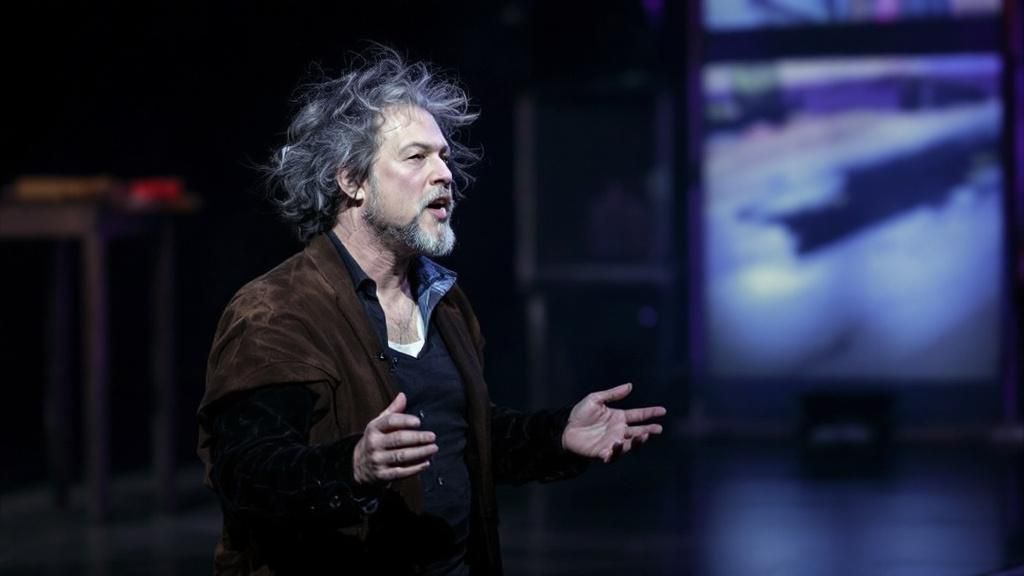
The National Theatre has launched an extensive programme intended to broaden participation in classical drama throughout the United Kingdom. This pioneering initiative seeks to bring internationally acclaimed stage productions to regions far beyond London’s West End, guaranteeing that audiences in rural and underserved regions can experience Shakespeare, Chekhov, and modern adaptations of timeless classics. Through creative touring programmes, online channels, and partnership collaborations, the theatre is significantly transforming how Britain relates to dramatic literature, rendering high-quality performances an entitlement rather than a privilege.
Making Theatre Accessible to Premier Theatre Productions
The National Theatre’s programme marks a significant transformation in how period plays engages audiences within the UK. By removing location-based obstacles and cost barriers, the initiative ensures that populations in countryside regions and economically disadvantaged communities can experience productions traditionally limited to London’s premier institutions. This focus on inclusion embodies a fundamental belief that theatrical excellence should not be determined by zip code or spending power, but rather distributed equitably across all people regardless of their backgrounds.
Through strategic partnerships with regional theatre venues, schools and universities, and local arts organisations, the National Theatre is establishing long-term routes for interaction with classical works. The initiative encompasses productions on tour, discounted ticket programmes, and community-developed interpretations that encourage local participation and cultural ownership. By fostering these collaborative relationships, the theatre moves away from a London-focused venue into a dispersed system of cultural achievement, ensuring that the transformative power of theatre becomes genuinely accessible to audiences throughout Britain.
Digital Innovation and Community Engagement
The National Theatre’s plan depends on cutting-edge digital technology to extend its reach across the nation. By harnessing digital platforms and digital theatre experiences, the institution provides concurrent viewing to productions for audiences without the ability to attend live. This digital framework democratises cultural participation, allowing viewers from Cornwall to the Scottish Highlands to enjoy high-quality theatre from their own communities. The initiative also includes engaging online tools, learning resources, and behind-the-scenes content, deepening the theatre experience beyond conventional live theatre and fostering deeper engagement with classical drama.
Equally significant are the partnership arrangements established with theatre venues across regions, local councils, and community groups throughout the United Kingdom. These collaborations ensure productions connect with varied audience groups whilst supporting local cultural resources. The National Theatre delivers grants, professional expertise, and artistic leadership to partnering organisations, establishing lasting cultural environments in regions with limited provision. By collaborating with local institutions rather than enforcing metropolitan standards, the initiative acknowledges community character whilst maintaining artistic excellence. This cooperative structure changes classical drama into a authentic countrywide initiative, rooting theatrical culture within communities and creating enduring cultural heritage.
Impact and Future Vision
The initiative’s effect goes well past mere attendance figures, fundamentally transforming cultural participation nationwide. Regional theatres report record engagement figures, with theatre-goers finding fresh appreciation for classical works once regarded as difficult to access. Areas that traditionally lacked performance venues now access stage performances, learning sessions, and backstage access. This democratization cultivates a wider arts environment, encouraging young people to engage with stage drama as a vital part of their education and personal development.
Looking ahead, the National Theatre projects continued development of this pioneering programme throughout the next ten years. Strategic investments in technological infrastructure are set to further extend reach, enabling concurrent transmissions and on-demand access to filmed shows. Collaborations involving schools and universities will incorporate traditional theatre within educational programmes, fostering enduring interest for theatrical arts. The programme represents a pivotal turning point, cementing the idea that remarkable dramatic performances represent a essential cultural access rather than an privilege limited to London.
As this innovative project keeps developing, its success ultimately depends upon sustained funding, public participation, and strategic alliances. The National Theatre remains committed to evaluating effectiveness through public response, attendance metrics, and learning results, guaranteeing responsibility and continuous improvement. This innovative scheme signals a profound shift in UK cultural priorities, affirming that classic plays is for everyone.
